
Selling As-Is vs. Making Repairs: What Actually Pays Off in San Diego
Almost every seller asks me some version of this question before we list: "Should I fix this stuff up first, or just sell it as-is?" The honest answer is that it depends entirely on what "this stuff" actually is — some repairs genuinely pay for themselves multiple times over, and others are a great way to spend real money for almost nothing in return. Let me walk you through the actual data, so you can make this decision with real numbers instead of a gut feeling.
The Big Lesson: Bigger Renovation Doesn't Mean Bigger Return
This is the single most counterintuitive thing in the data, and it surprises almost every seller I explain it to: a full, upscale kitchen remodel typically returns somewhere around 36-40% of what you spend, while a minor, targeted kitchen refresh returns closer to 96-113%. In other words, the smaller, cheaper project often makes you more money than the expensive one — sometimes by a wide margin.
The reason comes down to diminishing returns. Buyers compare your home to others in your neighborhood, and they won't pay a premium that significantly exceeds what comparable homes are selling for. If every house on your street is selling in a certain range, a $150,000 kitchen isn't going to push your sale price up by $150,000 — it's going to get absorbed into "well, it's a nice kitchen" without a matching price bump. A useful rule of thumb: don't spend more than roughly 30% of your home's current value on any single renovation project if resale is your goal.
What Actually Delivers the Best Return
Based on current cost-vs-value data, here's what consistently performs best for sellers:
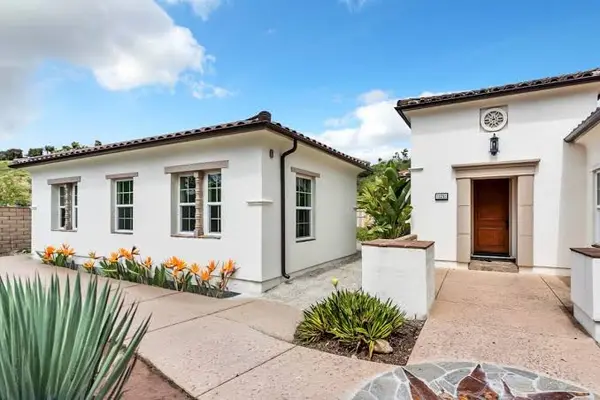
Curb appeal projects lead the pack, often by a wide margin. A garage door replacement is one of the best-performing projects in the entire market, frequently returning close to 190% or more — a project costing around $4,000-$5,500 that can add roughly that much or more in perceived value, on top of dramatically improving how the whole front of the house looks in listing photos. A steel entry door replacement is similarly strong, often returning close to 190% for a project costing just $2,000-$2,500. Basic landscaping cleanup — mulch, trimmed hedges, defined beds, seasonal color — is inexpensive and can boost perceived value by a meaningful percentage.
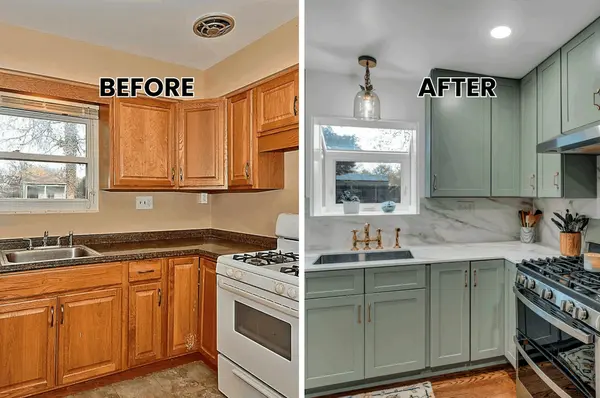
Minor kitchen refreshes significantly outperform full remodels. Refaced or repainted cabinets, new hardware, updated (not necessarily replaced) countertops, and mid-range appliances typically land in the 96-113% ROI range. A full gut renovation with custom cabinetry and high-end everything drops to somewhere around 36-40%. If your kitchen just feels dated rather than actually broken, refresh it — don't gut it.
Minor bathroom updates beat spa-level overhauls. A new vanity, updated fixtures, fresh lighting, paint, and re-caulking typically return somewhere in the 70% range. High-end primary bathroom additions or luxury overhauls return considerably less. Grout pens and fresh caulk alone can make an older bathroom photograph like a much newer one, for the cost of a couple of small tubes.
Fresh, neutral paint throughout the home, remains one of the cheapest, highest-impact things you can do before listing — it's the fastest way to make a home feel newer without touching a single wall or fixture.
What to Skip Before You List
Just as important as knowing what pays off is knowing what doesn't. Swimming pools are a classic example — they typically cost $50,000-$80,000 to install, and outside of the hottest, most pool-friendly markets, plenty of buyers see a pool as a maintenance and liability concern rather than a selling point. Major structural additions, primary suite expansions, and top-of-the-line luxury finishes in a mid-range neighborhood almost always fall into the "great for your own enjoyment, poor for resale" category — fine if you're staying for years, a mistake if you're listing in a few months.
#But Some Repairs Aren't Optional — They're Damage Control
There's an important exception to all of this: repairs tied to health, safety, and basic function aren't really an ROI decision — they're closer to damage control. A failing roof, a broken water heater, active plumbing or electrical issues, or anything a home inspector would flag as a real problem tends to cost you more in buyer negotiation than it would have cost to just fix upfront. Every dollar you spend fixing a genuine issue before listing often prevents a much larger price concession once a buyer's inspector finds it — buyers routinely negotiate $3-5 off the price for every $1 of repair cost they're worried about, simply because uncertainty scares people more than a known number does.
My honest advice: get a pre-listing inspection if you're unsure what state your home is really in. It's a relatively small cost that tells you exactly what's actually wrong, versus what's just cosmetic — and it lets us decide together what's worth fixing and what we can simply price around.
So Should You Sell As-Is?
Selling as-is can absolutely make sense — particularly if you're not able to front renovation costs, you're on a tight timeline, or the home has issues significant enough that no cosmetic fix would meaningfully change buyer perception anyway. In San Diego's competitive market, even an as-is home in a desirable neighborhood can generate real interest, especially from investors or buyers planning their own updates. The key is pricing it honestly for its actual condition, rather than hoping buyers won't notice.
For most sellers, though, the sweet spot isn't "renovate everything" or "fix nothing" — it's a short, targeted list: address any real health/safety issues, do the cheap high-ROI cosmetic work (paint, hardware, curb appeal, minor kitchen and bath refreshes), and skip the big-ticket renovations that won't pay for themselves in your specific neighborhood and price range.
Let's Figure Out Your Specific Numbers
Every home and every neighborhood is a little different, and the right answer for your specific property depends on your comps, your timeline, and your budget. I'm happy to walk your home with you and give you a real, honest read on what's worth fixing and what isn't — no guessing required.
Trying to decide what to fix before you list? Let's walk through it together.
Lucas Monari
REALTOR® | DRE# 02163562
(858)405-5018
sd.soldbylucas@gmail.com
Coldwell Banker West
Categories
Recent Posts






GET MORE INFORMATION